That loud garage door isn’t just irritating; it’s often a warning sign. Those screeches, rattles, or grinding noises typically indicate problems brewing beneath the surface.
Ignoring these sounds can end up costing you a lot in repairs later on. Knowing what’s causing the racket and how to quiet it down can save you both hassle and money.
This guide explores common reasons why your garage door is making noise and provides practical solutions to help you restore smooth, quiet operation. From loose hardware to worn rollers, we’ll cover troubleshooting steps you can take and highlight when it’s time to seek professional garage door repair. Let’s dive into the most common culprits and their fixes.
Why is My Garage Door Making Noise?
Garage doors are simply a complicated machine as they are composed of many moving parts. An issue in one part may impact others, affecting the entire functionality of the door.
A noisy garage door could stem from issues like loose bolts, worn-out rollers, or insufficient lubrication. These sounds—whether grinding, squeaking, or rattling—can indicate wear and tear or a need for maintenance. Identifying the specific noise and its source is the first step to finding a solution. Let’s explore the primary garage door noise causes and how to address them.
Loose Hardware
A garage door is likely to have loosen hardware, including nuts, bolts and screws due to the constant movement over the years. This, in turn, leads to rattling or vibrating sounds as the door closes or opens. Loose hardware not only contributes to a noisy garage door but can also lead to misalignment or damage if left unchecked.
Solution:
Inspect all visible hardware, including brackets, hinges, and tracks. Use a socket wrench to secure any loose bolts or screws. It’s important not to overtighten, though, because that can strip the threads or harm the components.
Regular checks every six months can prevent loose hardware from becoming a recurring issue. If you notice damaged or stripped bolts, replace them immediately to ensure the door’s stability.
Worn or Damaged Rollers
Rollers guide your garage door along its tracks. They can produce grinding or scraping noises once worn out or damaged.
Older rollers, especially those made of metal or plastic without sealed bearings, tend to wear out faster, leading to a garage door making noise during operation.
Solution:
Look for the signs of wear in the rollers. Maybe there are cracks, chips, or flat spots.
Opt for nylon or sealed-bearing rollers, as they’re quieter and more durable than standard metal ones. To replace rollers, disconnect the door from the opener (if electric) and carefully remove the old rollers from the hinges. Install the new rollers and test the door’s movement. If you’re unsure about this process, professional garage door services can handle the replacement safely and efficiently.
Lack of Lubrication
A lack of lubrication is one of the most common reasons for a noisy garage door. Without proper lubrication, metal parts like rollers, hinges, and springs rub against each other, causing squeaking or grinding sounds. Regular lubrication keeps these components moving smoothly and reduces friction-related noise.
Solution:
Use a garage-door-specific lubricant of superior quality that is silicone- or lithium-based. Steer clear of WD-40, since it isn’t a durable lubricant and may draw in dust. Lubricate all moving components, such as rollers, hinges, springs, and the pivot points of the track. Remove any excess to avoid buildup. To ensure your garage door remains functional and quiet, lubricate it every six months or as necessary.
Misaligned Tracks
Tracks, which guide your garage doors, can be misaligned. It causes grinding or scraping noises as the rollers don’t move smoothly. Misalignment can occur due to loose bolts, impact damage, or natural wear over time.
Solution:
Check the tracks for gaps, bends, or obstructions. Ensure they’re properly aligned by using a level to confirm they’re plumb (vertically straight) and parallel to each other. Use a wrench to secure any track bolts that are loose. In cases where the tracks are warped or significantly out of alignment, it is advisable to contact a professional for garage door repair. Attempting to make the door function on compromised tracks can lead to additional problems
Worn or Damaged Springs
Springs on the garage door support the door’s weight, which is essential for smooth functioning. As time passes, springs may deteriorate or fracture, resulting in loud popping, banging, or grinding sounds. A damaged spring poses a significant problem, as it can render the door hard or even impossible to open.
Solution:
Conduct a visual examination of the torsion or extension springs for indicators of wear, including gaps, rust, or deformation. If you suspect there’s a problem with the spring, don’t try to repair it on your own—springs are highly pressurized and can lead to severe injuries if not handled properly. For safe replacement of damaged or used springs, reach out to a qualified technician. Regular maintenance can prolong the lifespan of your springs and avert unexpected breakdowns.
Unbalanced Garage Door
An unbalanced garage door can strain the opener and other components, leading to unusual noises like humming or grinding. Imbalance occurs when the door’s weight is unevenly distributed, often due to worn springs or improper installation.
Solution:
To check the door’s balance, disconnect the opener and lift the door manually until it’s halfway up. If it remains still, it is balanced. Should it drop or increase, an adjustment is necessary. It usually takes adjusting the tension of the spring to balance a garage door, but because of the dangers involved, this task is best done by experts.
Worn Opener Components
If your garage door has an electric opener, worn gears, chains, or belts within the opener can cause buzzing, grinding, or rattling noises. Chain-drive openers are particularly prone to noise as they age, while belt-drive openers tend to be quieter.
Solution:
Inspect the opener for loose chains or worn gears. Tighten or adjust the chain if it’s loose, and lubricate it with a garage door-specific lubricant. If the opener’s internal components, like gears or belts, are worn out, they may need replacement. Consider upgrading to a belt-drive opener for quieter performance. For complex opener issues, consult a professional to diagnose and fix the problem.
Damaged or Worn Panels
Sometimes, the garage door panels themselves can contribute to noise, especially if they’re damaged, warped, or loose. This is more common in older doors or those exposed to harsh weather conditions.
Solution:
Inspect the panels for dents, cracks, or loose connections. Tighten any loose screws or bolts securing the panels. If the damage is extensive, replacing individual panels or the entire door may be necessary. For aesthetic and functional upgrades, explore custom garage doors that offer durability and noise reduction.
Preventive Maintenance Tips to Avoid a Noisy Garage Door
Preventing garage door noise is easier than fixing it after the fact. Regular maintenance can extend the life of your door and keep it operating quietly. Here are some tips to incorporate into your routine:
Lubricate Regularly: Apply lubricant to all moving parts every six months to reduce friction and noise.
Tighten Hardware: Check and tighten bolts, screws, and nuts periodically to prevent rattling.
Inspect Rollers and Springs: Look for signs of wear and replace components as needed before they cause bigger issues.
Clean the Tracks: To guarantee that the rollers move smoothly, remove dirt, debris, or anything that blocks the tracks.
Schedule Professional Inspections: Ensure that a technician examines your garage door once a year to identify possible issues early on.
When to Call a Professional
While many noisy garage door issues can be resolved with DIY solutions, some problems—like broken springs, misaligned tracks, or opener malfunctions—require professional expertise.
Attempting to fix these yourself can lead to injury or further damage. If the noise persists after trying the above solutions, or if you notice significant issues like a broken spring or severely misaligned tracks, contact a trusted garage door repair service. Professionals have the tools and experience to diagnose and fix complex issues safely.
Conclusion
A noisy garage door doesn’t have to disrupt your daily life.
When you determine what is causing the noise—be it loose hardware, worn rollers, or insufficient lubrication—you can implement solutions to resolve the issue and bring back quiet functioning.
Routine maintenance, like applying lubricant to parts that move and ensuring hardware is secure, can avert several problems before they even start.
If you’re dealing with a more complicated issue or if you have any doubts about a repair, be sure to reach out to professionals who specialize in garage door services. Your garage door can function smoothly and quietly for many years with proper maintenance.
If you’re considering an upgrade, check out options for custom garage doors to enhance both functionality and curb appeal.
As summer rolls in with its blazing sun and soaring temperatures, your garage might feel more like an oven than a functional space.
This is especially true in places like the Seattle greater area, where summers are becoming increasingly warmer in recent years—even though the region is better known for its rain.
Insulated garage doors can help.
Let’s explore how garage door insulation transforms your garage into a summer-ready haven, protects your belongings, and even saves you money. We have also shared some garage door maintenance tips for summer to ensure your garage stays in top shape.
Why Garage Door Insulation Matters in Summers
Garages often bear the brunt of summer heat. Without proper insulation, the temperature inside can skyrocket, making it unbearable to spend time in and potentially damaging items stored inside.
This is where insulated garage doors come. They prevent heat from entering your garage, keeping the space cooler. Protecting your garage from heat is even more important if it is attached to the home. This is because heat from the garage can escape into your living spaces.
Insulation helps maintain a stable temperature, protects your car’s interior from heat damage, preserves tools and equipment, and even extends the lifespan of your garage door by reducing wear from extreme temperatures. Plus, a cooler garage means lower energy bills, as your home’s cooling system won’t have to compensate for a sweltering garage.
How Insulation Works
Let’s walk through how garage door insulation works.
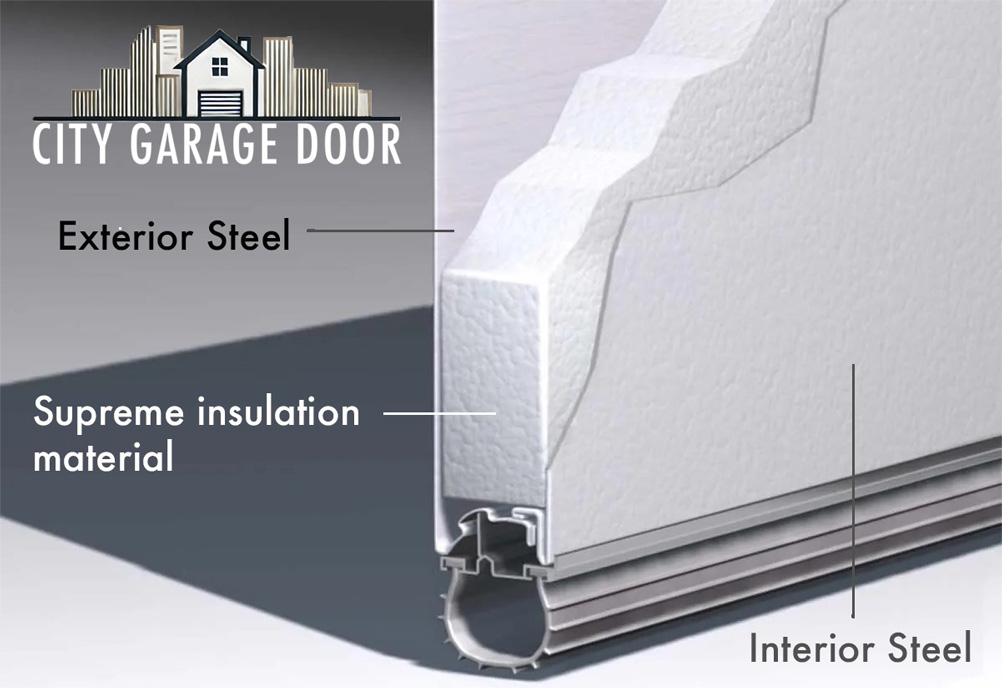
Insulation materials, like polystyrene or polyurethane, are added to the panels of a garage door. These materials can resist heat as they have low thermal conductivity.
In summer, when the sun beats down on your garage door, an uninsulated metal door absorbs and radiates heat, turning your garage into a sauna. Insulated doors, on the other hand, block much of this heat, keeping the interior temperature more manageable.
Ever heard of R-value? Well, it is a measure of a material’s resistance to heat. Simply put, it shows how well a thing can withstand heat. A higher R-value translates into good insulation.
So, it goes without saying that if you’re living in a place like Seattle or any area with rising summer temperatures, choose a garage door with a higher R-value.
Benefits of Insulated Garage Doors in Summer
Let’s dive into the specific ways garage door insulation for summer heat makes your garage summer-ready:
1. Keep the Garage Cooler
The most obvious benefit is a cooler garage. Insulated garage doors can reduce internal temperatures by 10-20 degrees Fahrenheit compared to uninsulated ones. This makes the space more usable for hobbies, workouts, or even as a temporary hangout spot during summer gatherings.
2. Protects Stored Items
Heat can damage sensitive items like paint, electronics, or sports equipment stored in your garage. Excessive heat can cause paint to separate, batteries to degrade, or wooden tools to warp. By maintaining a more stable temperature, insulation helps preserve these items, saving you from costly replacements.
3. Improves Energy Efficiency
Heat is more likely to travel to the attached areas of the garage. As a result, it can increase the temperature of adjacent spaces. This forces your air conditioning to work overtime, spiking your energy bills. Insulated garage doors can prevent heat transfer.
4. Enhances Garage Door Durability
Extreme heat can cause metal garage doors to expand and contract, leading to warping or cracks over time. Not only does insulation keep the door’s temperature in check, but also lowers thermal stress and improves its lifespan. This leads to fewer repairs.
5. Reduces Noise
If you live in a busy neighborhood or near a road, insulation can dampen outside noise, making your garage a quieter, more pleasant space to work or relax in during the summer.
Types of Garage Door Insulation
Polystyrene Insulation: A rigid foam board is inserted into the panels of garage doors. It’s lightweight, affordable, and offers decent R-values (typically 6-10). It’s a great choice for moderate climates.
Polyurethane Insulation: This is a foam that’s injected into the door, expanding to fill every gap. It provides higher R-values (12-18) and is more effective for extreme summer heat. It also adds structural strength to the door. Ideal for hot summers and urban areas like Seattle.
Reflective Foil Insulation: This is a thin, reflective material that deflects radiant heat. It’s often used in DIY insulation kits and is ideal for hot, sunny regions but may have lower R-values compared to foam options.
Choosing the right type depends on your climate, budget, and whether you’re retrofitting an existing door or buying a new one. For professional installation, many companies offer insulated garage doors with built-in polyurethane for maximum efficiency.
Summer Garage Door Tips
Beyond insulation, there are several summer garage door tips to keep your garage cool and functional:
Ventilation is Key: Even with insulation, good airflow helps. Consider installing a garage vent or using a fan to circulate air. If your garage has windows, open them during cooler parts of the day to let in fresh air.
Use Weather-stripping: Check the seals around your garage door. Worn or damaged weather-stripping can let hot air sneak in, reducing the effectiveness of your insulation. Replace it if needed to maintain a tight seal.
Shade the Door: If your garage door faces direct sunlight, consider adding an awning or planting shade trees to block the sun’s rays. This reduces the heat absorbed by the door, complementing the insulation’s efforts.
Keep the Door Closed: Avoid leaving the garage door open for long periods, as this lets in hot air and negates the benefits of insulation. If you need access, open and close the door quickly.
Consider Light Colors: If you’re replacing your garage door, choose a light-colored one. Dark colors absorb more heat, while light colors reflect it, helping keep the garage cooler.
Garage Door Maintenance Tips for Summer
To ensure your insulated garage doors perform at their best, regular maintenance is crucial. Here are some garage door maintenance tips for summer:
Clean the Door: Wash your garage door with mild soap and water to remove dirt and debris that can trap heat. A clean door reflects sunlight better and looks great too.
Inspect the Insulation: Check for signs of wear, such as cracks in polystyrene panels or gaps in polyurethane foam. If you notice damage, consult a professional to repair or replace the insulation.
Lubricate Moving Parts: Summer heat can impact springs and other metal parts. It can also cause tracks to expand which can lead to friction. Use a silicone-based lubricant for a smooth movement.
Test the Door’s Balance: An unbalanced garage door strains the opener and can let in hot air. First of all, close the door. Disconnect the opener. Now, lift the door by hand. It should go up smoothly and hold its position when partially open. If not, call a technician to adjust it.
Check the Opener: Ensure your garage door opener is working properly. Heat can affect electrical components, so listen for unusual noises or slow operation and address issues promptly.
DIY vs. Professional Insulation
You might consider a DIY garage door insulation kit. These typically include reflective foil or polystyrene panels that you cut to fit your door. While cost-effective, DIY kits may not provide the same R-value or durability as professionally installed insulated garage doors in Seattle. If you live in an area with intense summer heat, investing in a new insulated door with polyurethane insulation is often worth the cost for long-term benefits.
Conclusion
Insulated garage doors are a game-changer for making your garage summer-ready. By blocking heat, protecting your belongings, and improving energy efficiency, garage door insulation for summer heat transforms your garage into a more comfortable and functional space.
Ready to replace your door with an insulated one? Reach out to City Garage Door for expert garage door replacement and repair services in Lynnwood and around.
FAQs:
Why do I need an insulated garage door in summer? Insulated garage doors help keep your garage cooler by blocking out heat. This protects your belongings, saves energy, and makes the space more usable.
What type of insulation is best for hot climates? Polyurethane insulation is ideal for hot areas. It offers high R-values, better heat resistance, and strengthens the door too.
How much cooler can insulation make my garage? Insulated garage doors can lower the internal temperature by 10–20°F compared to uninsulated ones.
Can I install garage door insulation myself? Yes, DIY kits are available, but they may not be as effective as professionally installed insulation with higher R-values and better fit.
Does insulation help reduce energy bills? Absolutely. By keeping your garage cooler, insulated doors reduce the heat load on your home’s AC system—leading to lower cooling costs.
Will insulation reduce outside noise too? Yes, insulation adds a sound barrier, making your garage quieter even if you live near traffic or noisy areas.
How do I maintain my garage door during summer? Check the insulation, clean the door, lubricate moving parts, and replace worn weather-stripping to keep it working efficiently.
A garage door is more than just an entry point for your car. Rather, it’s a key part of your home’s look and safety. If your existing garage door is old, creaky, or outdated, a new garage door can make a big difference.
From boosting security to adding a fresh, modern vibe, garage door replacement offers benefits that go beyond function. Let’s explore how upgrading to a new garage door can transform your home in terms of both security and style, with a special mention of the best new garage doors in Lynnwood, WA.
Enhanced Security for Peace of Mind
One of the top benefits of new garage doors is improved security.
Older doors can have weak spots, like worn-out locks or flimsy materials that make it easier for intruders to break in. A new garage door is built with modern technology, such as stronger materials, advanced locking systems, and even smart features. For example, many new doors come with rolling code technology, which changes the access code each time you use your remote, making it nearly impossible for someone to hack.
In places like Lynnwood, WA, where homeowners value safety, choosing from the best new garage doors in Lynnwood, WA means you get options with reinforced steel, impact-resistant panels, and secure remote systems.
Boost Your Home’s Curb Appeal
A new garage door can transform the look of your home. This is because it makes up a significant part of your exterior. You can easily imagine how an outdated and damaged one will hurt your home’s appearance.
Garage door replacement lets you pick a style that matches your home’s vibe, whether it’s modern, traditional, or something in between.
Durability and Low Maintenance
Another great benefit of new garage doors is their durability. Modern doors are made with high-quality materials like insulated steel or composite that resist dents, rust, and weather damage. This is especially important in places like Lynnwood, WA, where rain and wind can wear down older doors over time.
A new garage door also requires less upkeep. For example, many garage doors have certain finishes to withstand fading. Then, there are the doors equipped with seals to keep water and debris.
Energy Efficiency for Comfort and Savings
Installing a new garage door can also help reduce electricity bills. How?
Modern doors are insulated, meaning that they can keep your garage warmer in winter and cooler in summer. Apart from this, they can reduce noise, so you won’t hear as much street traffic or neighborhood activity.
Smart Features for Convenience
Installing your garage door with advanced garage door openers make them more convenient than ever. Today’s garage door openers now come with smart features, like apps that let you open or close your door from your phone. You can check if your garage is secure even when you’re not home, which adds an extra layer of safety. Some openers even send alerts if someone tries to tamper with them.
Customizable Options
One of the standout benefits of new garage doors is the ability to customize them. You can choose from a range of colors, textures, and window designs to create a look that complements your home. For example, carriage-style doors with decorative hardware can give your home a timeless, elegant vibe, while minimalist aluminum doors suit modern homes. In Lynnwood, WA, where architectural styles vary, the best new garage doors offer endless possibilities to match your vision.
Choosing the Right Garage Door for Your Home
Understanding Your Needs
The first step in choosing a garage door is assessing your specific requirements. Will it be used primarily for parking vehicles? Are you looking to use it as a workshop or storage facility? Or maybe a makeshift gym is on your mind?
Exploring Material Options
The next thing to consider is the material of your garage door. It plays a key role in the durability, maintenance, and appearance of your garage door. For example, steel ensures ultimate strength and low maintenance. A good investment for busy households. On the other hand, wood doors look beautiful, but they require frequent maintenance for weathering. If you live in coastal areas, aluminum can be a good choice as it is resistant to rust. However, it is prone to dents.
Fiberglass and vinyl are other options, offering durability and resistance to elements, but they may have fewer style choices.
Considering Design and Style
A modern home might look best with a sleek, minimalist door featuring clean lines or glass panels. Carriage-style doors can complement your traditional homes. If curb appeal is a priority, consider how the door’s color and texture will blend with your home’s exterior.
Prioritizing Insulation and Energy Efficiency
See if your garage door is insulated. An insulated garage door helps regulate temperature. It means that the garage will remain cooler in summer and warmer in winter. Doors with high R-value are likely to have good insulating properties.
An energy-efficient door can also reduce heating and cooling costs for your home, especially if the garage shares walls with living spaces.
Evaluating Security Features
Look for doors with sturdy construction and reinforced locking systems. If you’re concerned about break-ins, consider doors with minimal windows or frosted glass to limit visibility into the garage.
Assessing Maintenance Requirements
Wooden doors look good, but they are prone to moisture and UV damage, requiring frequent maintenance.
Fiberglass and vinyl doors are generally low-maintenance but may fade over time in direct sunlight.
Factoring in Cost and Longevity
A cheaper door might save money upfront but could require frequent repairs or replacement. Higher-quality doors with better materials and insulation often provide greater durability and energy savings, offsetting their initial cost. Get quotes from multiple suppliers and installers to understand the total cost, including installation and any additional features like windows or custom designs.
Why Upgrade Now?
If your garage door is old, damaged, or just not keeping up with your needs, now’s the perfect time for a garage door replacement. The benefits of new garage doors go beyond looks—they improve security, save energy, and require less maintenance. Plus, with so many stylish and durable options, you can find one that fits your home perfectly.
If you are ready to install a new garage door, we are your reliable garage door experts in Lynnwood and around. We offer garage door repair, replacement, and sales services. Contact us now.
FAQs
How does a new garage door improve home security? New garage doors come with stronger materials, advanced locks, and smart features like rolling code technology, making it harder for intruders to break in.
Can a new garage door boost my home’s appearance? Yes! A new door instantly upgrades your curb appeal and lets you choose a design that fits your home’s style.
Are modern garage doors energy-efficient? Absolutely. Most new doors are insulated to help keep your garage cooler in summer and warmer in winter—saving you on energy bills.
What smart features do garage doors offer today? As these doors can be equipped with advanced garage door openers, they can be controlled by smartphone apps, send security alerts, and allow remote access from anywhere.
How do I choose the right garage door for my home? Think about your needs, local weather, desired style, and material durability. A local expert in Lynnwood can help you pick the best option.
If you live in Lynnwood, WA, you’re no stranger to unpredictable weather. With steady rainfall, damp mornings, and gusty coastal winds, your home’s exterior needs to withstand the elements – and that includes your garage door.
One of the most common questions we hear at City Garage Door is: Should I choose an insulated garage door or stick with a standard non-insulated one? In a region like the Pacific Northwest, where wet weather is the norm, garage door insulation is more than a luxury – it can significantly impact comfort, energy savings, and durability. Let’s break it down.
Why Moisture Matters in Lynnwood
Western Washington is notorious for its humidity and rain. Non-insulated garage doors, especially metal ones, are vulnerable to condensation buildup. This can lead to rust, corrosion, and even mold growth over time.
Insulated garage doors offer better protection. Their layered construction helps regulate internal temperatures, which reduces the risk of condensation. Many models also include weather-sealing to keep moisture and cold air outside, protecting your garage’s contents and the door itself.
A Garage That’s Actually Comfortable
Garage insulation does more than keep the cold out in winter – it helps maintain a consistent indoor temperature all year long. Whether your garage is attached to your house, used as a workshop, or simply stores things you care about, a more stable temperature makes all the difference.
Especially in Lynnwood, where spring mornings and fall evenings can be brisk and damp, insulation helps:
Reduce the strain on your heating and cooling systems
Lower energy bills
Make your garage usable and comfortable every season
Stronger, Quieter, Longer-Lasting
Insulated garage doors are typically built with multiple layers of durable materials like steel, aluminum, and high-performance insulation such as polyurethane or polystyrene. This construction not only enhances durability but also improves weather resistance.
And if you live near a busy street or a school, insulation helps reduce outside noise – a simple upgrade that can make your entire home quieter and more peaceful.
Is It Worth the Extra Cost?
It’s true: insulated garage doors come at a higher upfront cost. But for homeowners in a coastal climate like Lynnwood, the benefits usually pay off quickly. Insulated doors help cut energy expenses, protect against moisture damage, and extend the lifespan of your garage door system.
Non-insulated garage doors may be cheaper at first glance, but they tend to wear out faster, require more maintenance, and do little to shield your garage from weather changes.
Here’s a quick look at how they compare:
Feature
Insulated Garage Door
Non-Insulated Garage Door
Moisture Resistance
Excellent
Prone to condensation
Noise Reduction
High
Low
Energy Efficiency
Strong
Minimal
Upfront Cost
Higher
Lower
Long-Term Value
Significant savings and comfort
Limited and shorter lifespan
What’s the Best Choice for Your Garage?
For Lynnwood homeowners, the answer is clear: insulated garage doors are better suited for our rainy, coastal environment. They’re more efficient, last longer, and improve your home’s comfort and energy performance.
Whether you’re upgrading, replacing, or starting from scratch, choosing insulation means less hassle, fewer repairs, and greater peace of mind year-round.
Let City Garage Door help you make the best choice. We specialize in garage door repair and installation in Lynnwood, WA, and we understand the specific needs of homes in the Pacific Northwest.
Contact us today to schedule a consultation or browse our range of weather-resistant, insulated garage doors. You can also find us on Google for reviews, directions, and more information.
Looking for more help?
Need advice on the best garage doors for coastal homes?
Want tips on garage door energy efficiency or moisture protection?
Stay tuned for more expert content from the team at City Garage Door.
SEO Keywords Embedded: insulated garage doors, garage door insulation, non-insulated garage doors, garage door repair, garage door installation Lynnwood WA, garage door moisture, garage energy efficiency, weather-resistant garage door, garage door expert, garage door replacement, best garage doors for coastal homes, Pacific Northwest garage door expert.
As the smart home revolution continues to grow, homeowners are constantly looking for ways to enhance convenience and security. One area that has seen significant improvements with smart technology is the garage. Often overlooked, the garage is a critical point of entry into your home, and securing it should be a priority. This is where smart garage door openers come into play, providing not just convenience but also enhanced security features.
In this guide, we’ll explore how a smart garage door opener can improve your home’s security, the most important garage door security features to look for, and how these devices can seamlessly integrate with your smart home system.
Why Smart Security Matters for Your Garage
Your garage may house expensive tools, vehicles, and other valuables. More importantly, it can serve as a secondary entrance to your home, making it a potential target for intruders. Many homeowners mistakenly believe that traditional garage door openers, secured with a simple remote, are enough to keep their garage safe. However, these systems can be vulnerable to hacking, lost remotes, or even simple brute force.
Modern smart garage door openers come with advanced features that go beyond the standard open-and-close mechanisms, offering greater security and ease of use. With the right garage door opener, you can monitor, control, and secure your garage from anywhere, ensuring peace of mind at all times.
How a Smart Garage Door Opener Enhances Security
A smart garage door opener not only adds a layer of convenience but also elevates your overall home security. These systems leverage cutting-edge technology, such as Wi-Fi connectivity, real-time monitoring, and integration with other smart home devices, to offer unparalleled control over your garage.
Key security benefits of smart garage door openers include:
Remote Monitoring and Control: With a smartphone app, you can monitor your garage door’s status from anywhere. If you forgot to close the door, a simple tap on your phone can secure it instantly.
Activity Notifications: Receive real-time alerts when your garage door opens or closes, letting you know exactly when someone enters or exits your garage.
Automatic Closing Features: Many smart garage door systems can be programmed to close automatically after a set amount of time, reducing the risk of accidentally leaving it open.
Encrypted Communication: Smart garage openers use encrypted wireless signals to prevent hacking attempts that could otherwise allow someone to open your garage with a cloned remote.
Let’s dive into the specific garage door security features that you should look for when considering a smart system for your garage.
Must-Have Garage Door Security Features
When it comes to securing your garage, not all smart openers are created equal. Look for these essential garage door security features to ensure maximum protection for your home.
1. Remote Monitoring and Alerts
One of the most important features of a smart garage door opener is the ability to monitor the door’s status remotely. Whether you’re at work, running errands, or even on vacation, you can check if the door is open or closed through an app on your smartphone. This eliminates the nagging worry of whether you left the garage open after rushing out the door.
More than just checking the door’s status, these systems also send push notifications when the door is opened or closed. This feature is particularly helpful if you want to keep track of who is coming and going, such as family members or maintenance workers. If the door opens unexpectedly, you can immediately investigate the situation or alert the authorities if necessary.
2. Automatic Closing
One of the easiest ways to accidentally compromise your home’s security is by forgetting to close the garage door. Some smart garage door openers offer automatic closing features, which ensure that the door shuts after a set period. You can customize this timer to fit your routine, adding an extra layer of security even if you forget.
Additionally, some systems use motion detectors or GPS geofencing to close the garage door automatically when you leave your home. This means you’ll never have to circle back or wonder if your garage door is closed.
3. Multi-User Access Control
If you live in a household with multiple people coming and going, multi-user access control is a valuable feature. This allows you to assign different access levels to various members of your household or even trusted friends and neighbors. You can give them temporary or permanent access to open and close the garage, all while maintaining control over when they can use it.
This feature can be especially useful if you need to let someone into your home while you’re away. Instead of sharing physical keys or remotes, you can provide them with temporary access through the app and revoke it anytime.
4. Two-Way Communication and Video Integration
Some high-end smart garage door systems include video cameras and two-way communication capabilities. This lets you visually monitor your garage in real time and even communicate with anyone who might be near or inside the garage. Video integration also allows you to capture footage if there’s any suspicious activity, providing valuable evidence in case of an incident.
Pairing these systems with your home’s existing security cameras can further enhance security by covering all angles and ensuring full monitoring of your property.
5. Rolling Code Technology
Traditional garage door openers use fixed codes that can be intercepted by hackers. Rolling code technology, on the other hand, changes the access code every time you use the remote. This makes it nearly impossible for someone to replicate the signal and break into your garage. Rolling code technology is now a standard feature in many smart garage door openers, providing enhanced protection against unauthorized entry.
Smart Home Integration: Seamless and Secure Control
One of the most compelling reasons to invest in a smart garage door opener is its ability to integrate with your overall smart home ecosystem. By connecting your garage door to platforms like Amazon Alexa, Google Assistant, or Apple HomeKit, you can enjoy even greater control and convenience.
Voice Control for Effortless Operation
Imagine controlling your garage door with a simple voice command. Smart garage door openers that integrate with Amazon Alexa or Google Assistant allow you to open or close the door without lifting a finger. This can be especially useful when your hands are full or when you’re leaving in a rush.
In addition to voice control, you can create custom routines that combine other smart devices. For example, you can set up a routine where your lights turn on, and your security system disarms as soon as you open the garage door. Similarly, you can trigger the garage to close and the security system to activate when you leave.
Geofencing for Automatic Operation
Geofencing technology allows your smart garage door to interact with your smartphone’s GPS. With this feature enabled, the garage door will automatically open as you approach and close when you leave the set radius around your home. This provides a seamless, hands-free experience and reduces the likelihood of forgetting to close the garage door when you’re in a hurry.
Smart Home Security Integration
To create a fully secured smart home, your smart garage door opener should be integrated with your existing home security system. This way, when your garage door is opened, your security cameras and sensors can activate, giving you real-time footage and monitoring.
Some systems even allow you to connect to home alarm systems, ensuring that if the garage door is tampered with, your alarm will sound, and authorities will be alerted immediately.
Take Control of Your Garage’s Security
Upgrading to a smart garage door opener is a practical and effective way to improve your home’s security and streamline daily tasks. With advanced garage door security features like remote monitoring, automatic closing, rolling code technology, and multi-user access control, you can ensure your garage—and by extension, your home—remains secure at all times.
Furthermore, smart home integration elevates your experience by making your garage door an integral part of your connected home. Whether it’s through voice commands, geofencing, or integration with your security system, a smart garage door opener enhances both convenience and security.
In today’s world, where home security is more important than ever, investing in smart technology for your garage is a step towards a safer, more efficient lifestyle.
Need Garage Door Services Near You?
Here at City Garage Door, we’re here to ensure your garage door operates smoothly and securely. Whether you need a quick repair, a brand-new installation, or reliable opener repairs, our expert team is ready to provide fast and dependable service. Serving Lynnwood and most cities around Seattle, we pride ourselves on delivering top-quality solutions at affordable prices. Don’t let a malfunctioning garage door disrupt your day—reach out to us for the trusted, local expertise you deserve!